Development, Planning & Land Use Lawyers in Singapore
Site acquisition through to the sale of completed units. We advise developers, lenders, operators and investors on how a project is put together, what it is allowed to be, and who carries which risk.
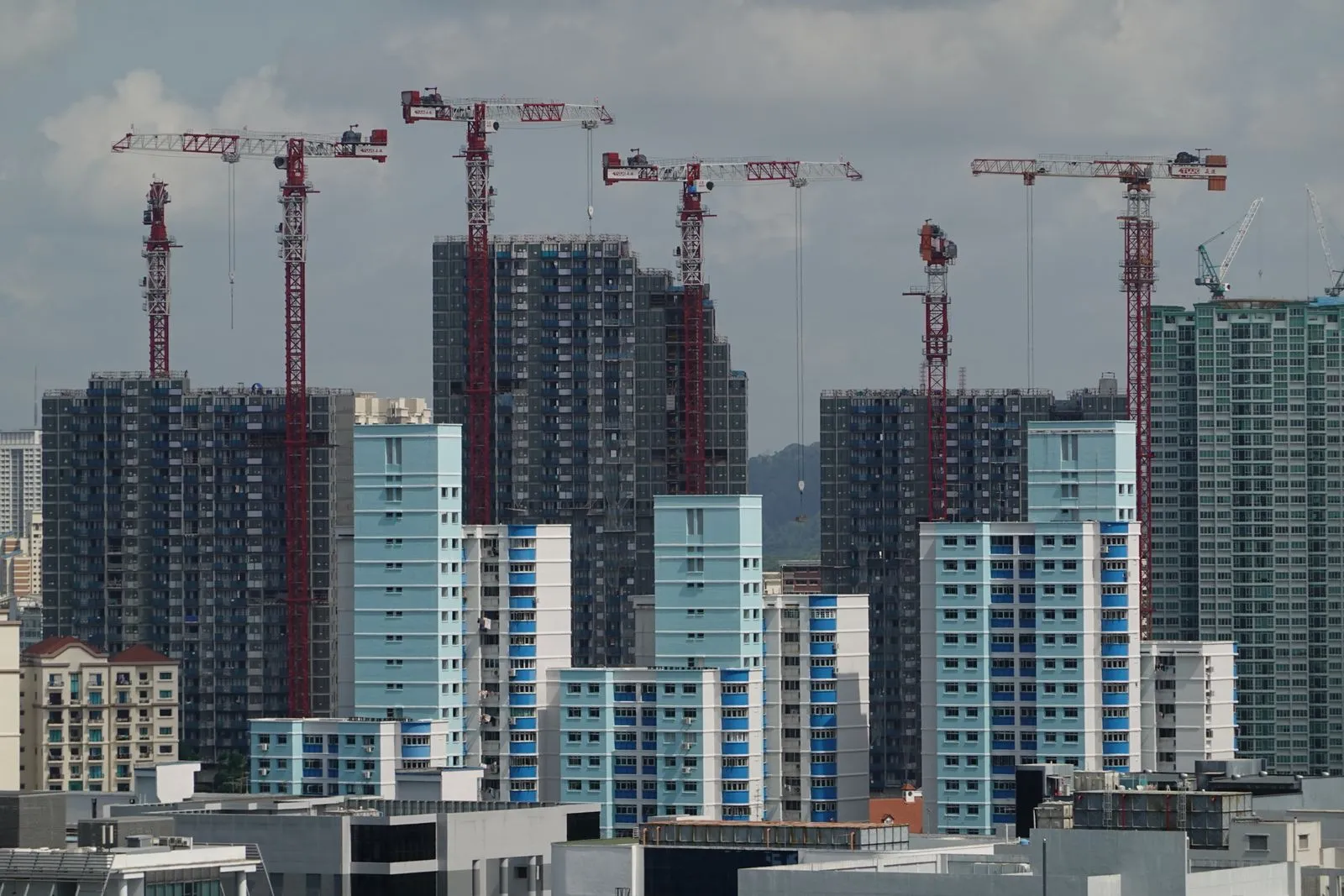
We advise developers, lenders, operators and investors, local and international, on real estate development in Singapore and the region: how a site is acquired, what it is permitted to become, how the project is structured and financed, and how the finished thing is sold or let.
Development is where property law stops being about a transaction and starts being about a programme. The questions that decide whether a project works are asked at the beginning, and most of them are not questions about the price.
Acquiring the site
Land reaches a developer by several routes and each has its own legal shape.
Government Land Sales. Tendered on conditions that shape the project before you have drawn anything: use, gross floor area, completion periods, and the consequences of missing them.
Collective sales. An en bloc purchase depends on statutory consent thresholds among the existing owners, a process before the Strata Titles Board, and the possibility of objections. It is a long road with a real failure rate, and the sale and purchase agreement has to account for that.
Private acquisition. Off-market purchases of sites or of the companies that own them, where the diligence looks a great deal like commercial conveyancing with the planning position bolted on.
Whichever route, the questions are the same: what is the tenure, what does the title actually permit, what is the plot ratio, what has to be paid to change any of it, and what happens if approval does not arrive on the assumed timetable.
What the site is permitted to become
Zoning and plot ratio under the Master Plan set the envelope. Anything beyond it requires an application, and an application is not an entitlement.
We advise on provisional and written permission from the Urban Redevelopment Authority, on change of use, and on the payments that attach to enhanced development value, including development charges and the differential premium payable where a lease is topped up or a restriction lifted. These sums are material and they belong in the feasibility rather than in a later surprise.
Beyond planning, a project runs into BCA on building works, SCDF on fire safety, PUB on drainage and water, LTA on access and transport, NEA on environmental matters and NParks where greenery or conservation is engaged. Coordinating those approvals is part of the work rather than an afterthought to it.
Structuring and joint ventures
Most projects are built through a vehicle rather than by a person, and the structure decides who controls what, who funds what, and what happens when partners disagree.
We advise on joint venture and shareholders’ agreements, on deadlock and exit, on development management arrangements, and on the tax and stamp duty consequences of holding land through an entity. Where residential land is involved, the regulatory position of the vehicle and of its shareholders matters as much as the commercial terms.
Financing and construction
Development finance comes with conditions, drawdown mechanics and security that have to work alongside the building contract rather than against it. We act on the facility and security documents, and on the interface between them and the construction programme.
On the construction side, we advise on the building contract, on the consultants’ appointments and on the payment regime the industry runs on, including adjudication. Where a project turns contentious, our construction disputes team takes it on.
Selling and letting what you have built
A completed development is sold or let under its own regime. Residential projects sold before completion engage the licensing and project account rules that apply to housing developers, and the prescribed forms of sale and purchase agreement. Commercial units have their own framework.
Where the intention is to hold and lease rather than sell, our sale and leasing page covers the leasing side, and commercial conveyancing covers disposals.
Development and land use in Singapore: frequently asked questions
What is a differential premium?
A payment to the State where a restriction in the title is lifted or varied, typically to allow a more valuable use or a higher intensity of development, or where a lease is topped up. It can be a very large number and it is decided by valuation rather than negotiation, so it belongs in the feasibility from the outset rather than being treated as a formality later.
How binding is a collective sale once owners have signed?
Signing the collective sale agreement is a significant step, but the sale still requires the statutory thresholds to be met, an application to the Strata Titles Board, and the resolution of any objections. A purchaser needs an agreement that deals with what happens if the process stalls or fails, because both are realistic outcomes.
Can we start work once we have provisional permission?
No. Provisional permission indicates that the planning proposal is acceptable in principle, subject to conditions and further submissions. Written permission, and the separate building approvals that follow, are what allow work to proceed. Projects get into difficulty by treating the first as though it were the last.
Can a foreign company develop residential land here?
It can, but residential land carries a regulatory regime that commercial land does not, including approvals tied to the developer’s ownership and duty consequences attached to completing and selling within a defined period. The structure has to be designed around those requirements at the outset, because retrofitting them is expensive and sometimes impossible.
Who carries the risk if approvals are late?
Whoever the contract says, which is why it is worth deciding deliberately rather than inheriting a standard position. Approval timing affects the acquisition agreement, the finance drawdown and the construction programme at the same time, and the three should not each assume a different answer.
Do you act on projects outside Singapore?
Yes, in the region, working alongside local counsel where local law governs the land itself. The structuring, the joint venture and the financing frequently sit here even where the site does not.
When should we bring lawyers in?
Before the site is committed. Almost every expensive problem in a development is created in the acquisition documents or in an assumption about what the land will be permitted to become. Once the site is bought on the wrong terms, the rest of the project is spent working around them.

What clients say.
Friendly and Professional Staff with fast and effective outcomes. Communication was clear and the process was handled very efficiently.
Talk to a lawyer.
Pick the channel that works for you. An initial consultation may be free (terms & conditions apply). We'll listen, answer your questions, and set out a clear next step.